 English
 Arabic


Energy Efficient Pilot and Link Adaptation for Mobile Users in TDD Multi-User MIMO Systems
Our Price
₹3,000.00
10000 in stock
Ready to Ship
Description
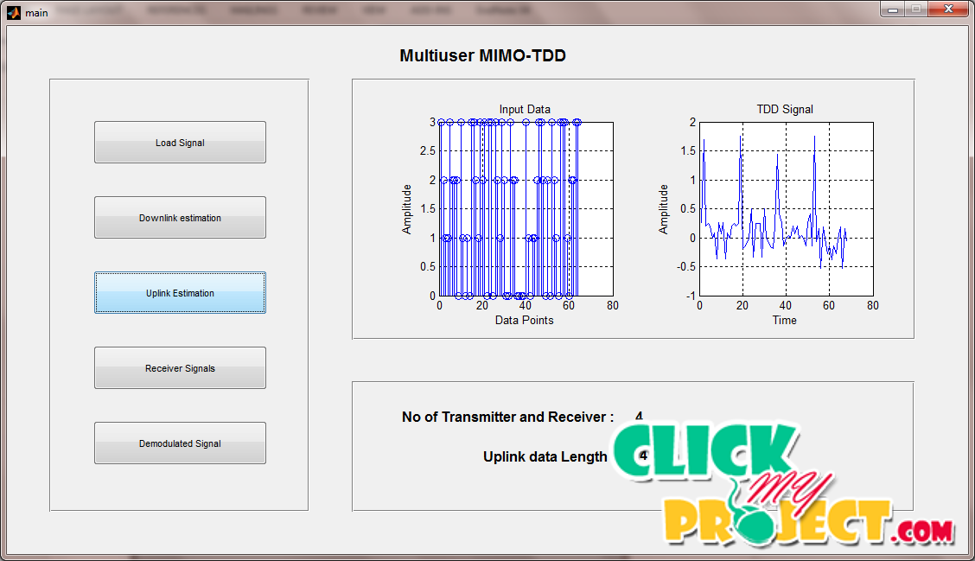
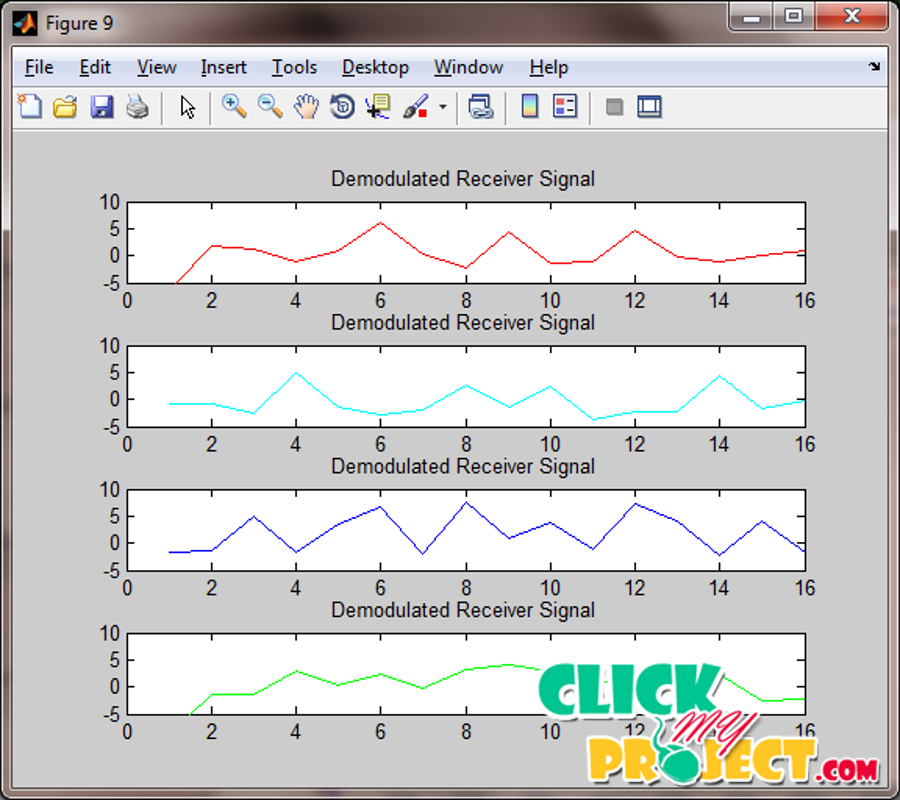
Over recent years, the even increasing demand of high data rate transmission has led to a strong interest in multiple-input multiple-output (MIMO) systems. The proposed MIMO is mainly used an uplink pilot and downlink link adaptation approach to improve the energy efficiency (EE) of mobile users in time division duplexing (TDD) multiuser multiple input and multiple output (MU-MIMO) systems. The EE of users in a time division duplexing (TDD) MU-MIMO system, where each user sends an uplink pilot sequence for channel estimation by the BS assuming perfect reciprocity between uplink and downlink channels. Based on the estimate, the BS performs zero-forcing (ZF) beam forming and transmits data to users. The energy efficiency of different users can be decoupled because the downlink average throughput of each user is independent of the pilot powers of other users and energy-efficient design can be done on a performance basics. The EE is defined as the average throughput per total energy consumed by the user and find that the objective function is not quasi-concave in general. The performance evolution of the proposed system can be compared with the existing system result. The better result can be shown in the way of the graph plot shown in the system of the MIMO-TDD system.
Only logged in customers who have purchased this product may leave a review.






Reviews
There are no reviews yet.